No More Wet Nights: How to Prevent Your Baby's Diaper from Leaking
Do you know that feeling? In the middle of the night, your baby suddenly wakes up, you reach out and feel it: everything is soaked! The sheet, the pajamas, maybe even the whole bed. Nightly leaking diapers are a nightmare for many parents, stealing sleep and causing unnecessary stress. But don't worry, you are not alone! As a parenting blogger and someone who has gone through these wet phases myself, I know exactly how frustrating it can be. Fortunately, there are a number of reasons why diapers leak, and even more proven solutions that can help you and your little treasure get back to drier nights.
Why Does the Diaper Leak at Night? Common Causes
Before we get to the solutions, let's take a look at the usual suspects:
- Wrong Diaper Size: Often the diaper has become too small and no longer offers enough absorbency or a proper fit around the legs and back. Sometimes, however, it is too big, which creates gaps for leaks.
- Absorbency at the Limit: Babies often urinate larger quantities at night. A standard daytime diaper might not be designed to hold all that liquid over many hours.
- Sleeping Position: Tummy sleepers often have problems with leaks at the front, while side sleepers tend to leak at the sides.
- Improper Fit: Even the best diaper can leak if it isn't put on correctly. The leg cuffs must be pulled out and fit snugly, but not restrictively, against the body.
- Large Amounts of Fluid Before Bedtime: If your baby drinks a lot right before going to sleep, the diaper simply fills up faster.
Finally Drier Nights: Practical Tips Against Leaking Diapers
Here are my tried-and-tested strategies that have already helped many families:
- Check the Diaper Size: Is your baby at the upper weight limit of the current diaper size? Then switch to the next size up. Special "night diapers" or "overnight diapers" are also worth considering, as they have a significantly higher absorbency.
- Double Up (Sometimes): For heavy wetters, a diaper one size larger for the night or even a "booster pad" (an absorbent pad without a waterproof backing placed inside the diaper) can work wonders.
- Put It On Correctly: Make sure the diaper sits high enough on the back and that the leg cuffs are snug without folding inwards. A little trick for tummy sleepers: Fasten the front tabs of the diaper slightly angled downwards to have more material coverage at the front.
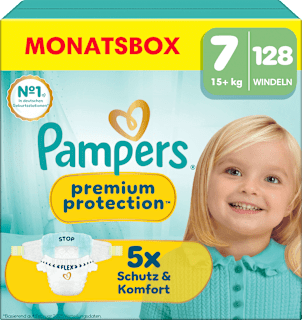
- Find a Dedicated Night Brand: Not all diapers are the same. Some brands (like Pampers, babylove, Lillydoo, Hipp, Rossmann, dm, or Müller) might fit your baby's anatomy better or have higher absorption power. It’s worth checking diaperoo and trying different brands to find the perfect match for the night.
- Adjust Fluid Intake (With Care): Try to ensure the main fluid intake happens during the day and avoid large amounts of drinking right before bedtime. Of course, this doesn't mean you should let your baby be thirsty!
- Fresh Diaper Before Bedtime: Even though it's sometimes hard to change a sleepy baby: A fresh, dry diaper right before the final slumber can make all the difference.
When to Contact Your Pediatrician
In most cases, leaking diapers are a problem of fit or absorbency. However, if you notice that your baby is urinating unusually frequently, the diaper is soaked extremely quickly, and this is accompanied by other symptoms such as fever, lack of appetite, or lethargy, please see your pediatrician. In rare cases, this could indicate a urinary tract infection or another medical issue.
I hope these tips help you find your way back to drier nights and more sleep for the whole family. It often takes a little trial and error, but it's worth it! And remember: every wet night will pass. You're doing great!